Hyde Park Neighborhood Profile
November 19, 2026
November 19, 2026
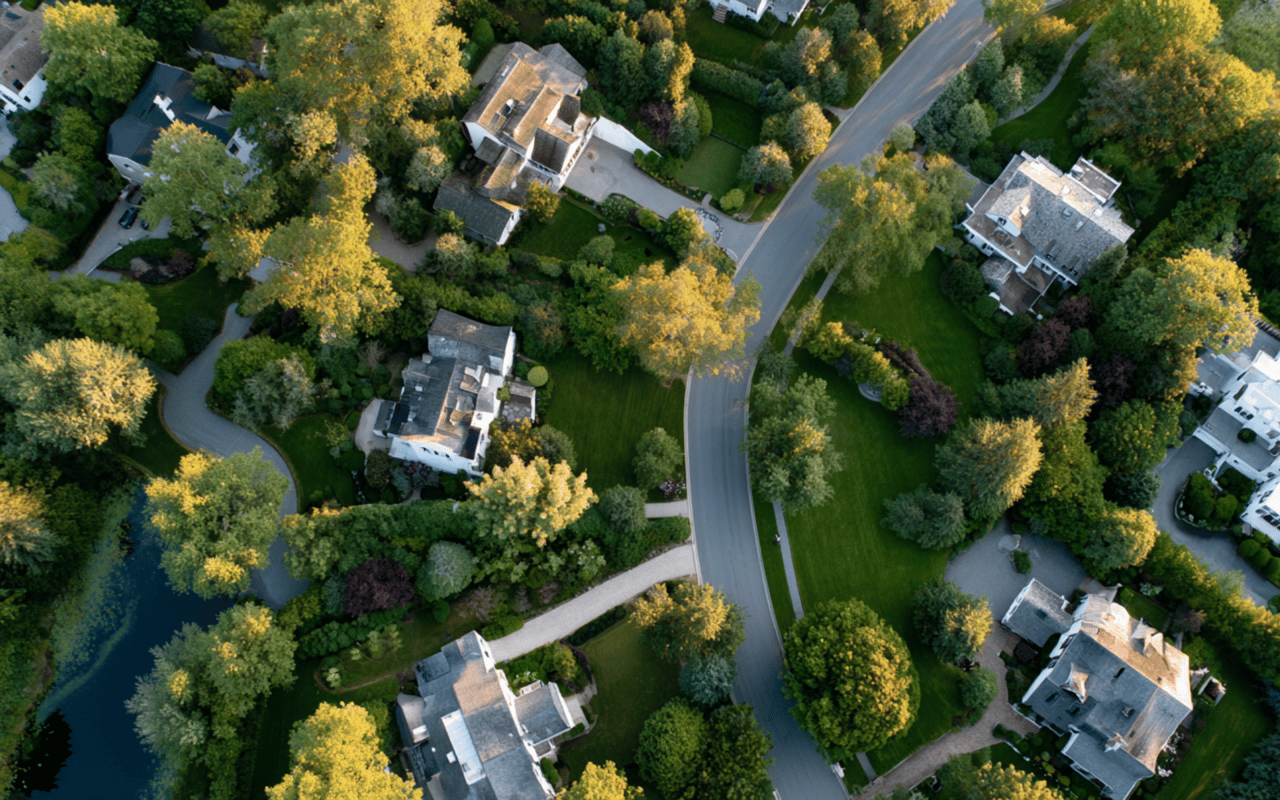
One of Austin’s first suburbs is a historic neighborhood called Hyde Park. Established in 1891, the quaint, tree-lined area is just a few blocks away from Austin’s original town site.
A rural area for most of the 19th century, Hyde Park was the site of the State Fair of Texas from 1875 to 1884, when it moved to Dallas. Property values began high in Hyde Park, with large Victorian, estate-type homes. By the early 1900s, the area was considered more affordable for working men and women, and smaller homes were constructed.
Throughout the years, Hyde Park has maintained its original character and charm. It is considered an eco-friendly, animal-loving, liberal area that does its part to “Keep Austin Weird.”
As the architecture changed to more modest homes, the area was steadily built up until about 1935. Home styles depict the growth of the area over time.
Today, Hyde Park consists of many renovated homes in various styles, colors, and décor, including bungalows, Victorian houses, Tudor Revival architecture, basic frame houses, and duplexes.
Within the Hyde Park area lie several historic sites. German-American sculptor Elisabet Ney was one of the first to purchase property in the area. She built a small, castle-style art studio named Formosa, which is now the Elisabet Ney Museum.
Shipe Park, named for Monroe Martin Shipe, who helped market the area in 1891, has basketball courts, picnic tables, a playground, tennis courts, and a large neighborhood swimming pool.
Other historic buildings in Hyde Park include the Col. Monroe M. Shipe House, built in 1892; the Frank M. and Annie G. Covert House; and the Oliphant-Walker House.
North of The University of Texas, Hyde Park is situated between 38th Street and 45th Street to the north, Guadalupe Street to the west, and Duval Street to the east.
The location offers optimal travel options, as it lies between North Lamar Boulevard and Interstate 35. This makes for an easy commute to the university and most places of business, including great local Austin shops and restaurants such as Hyde Park Bar & Grill Central, Antonelli’s Cheese Shop, Quack’s 43rd Street Bakery, and Avenue B Grocery.
Schools that serve children in the Hyde Park area include Lee Elementary School, Ridgetop Elementary School, Lamar Middle School, Kealing Middle School, and McCallum High School.
Additionally, there are many charter schools, Montessori schools, and private schools nearby.
Stay up to date on the latest real estate trends.
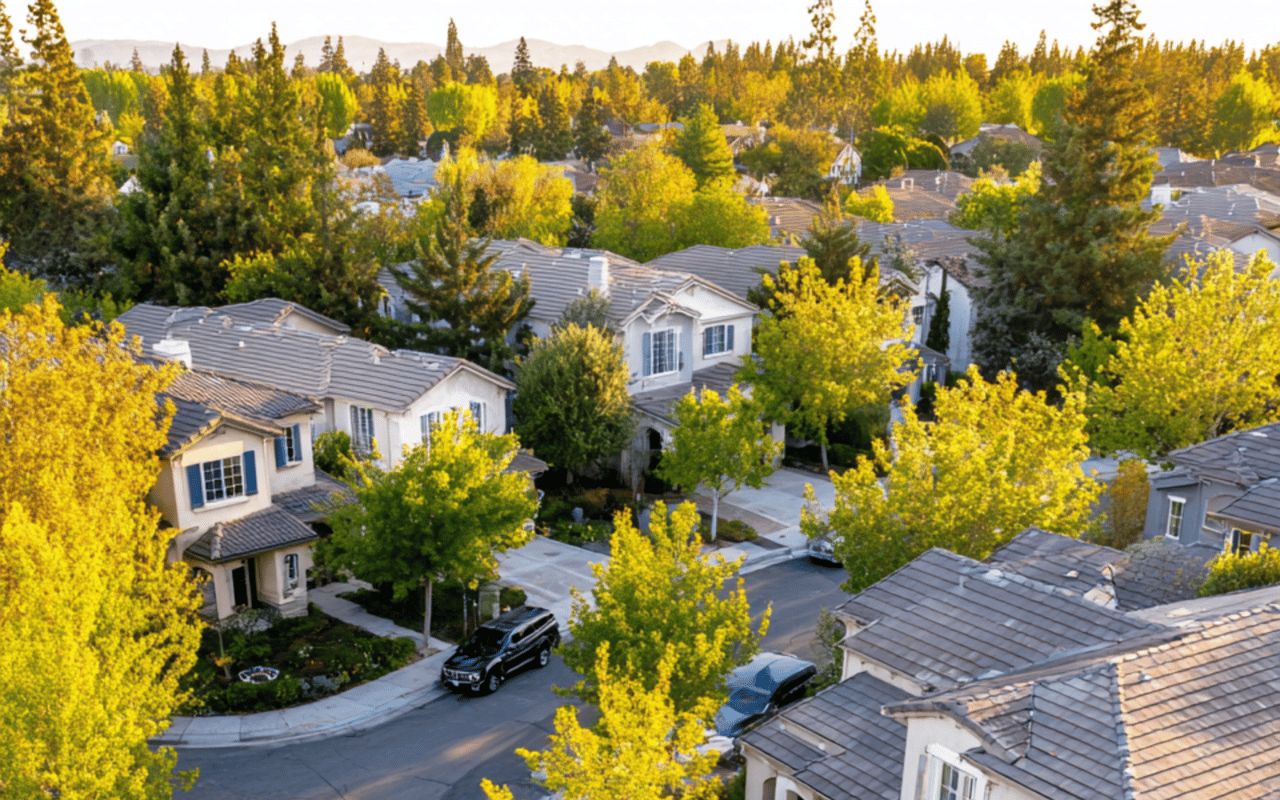
Cherry Creek is beautiful community in South Austin developed between 1965 and 1998.
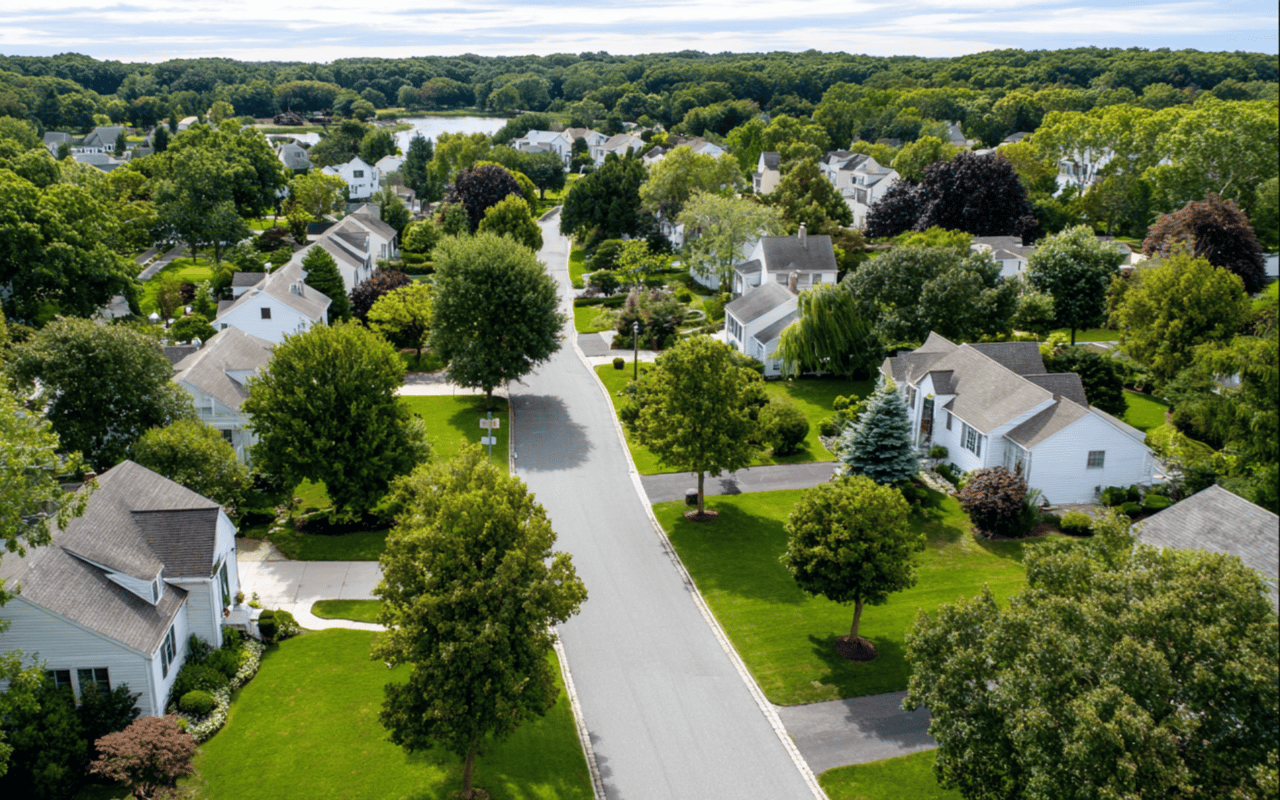
Visitors enjoy a fishing pier, tennis courts, and an Olympic-sized swimming pool.
One of Austin’s first suburbs is a historic neighborhood called Hyde Park.
Residents also enjoy access to award-winning Dripping Springs schools.
Area still provides about 56 acres of open space, offering plenty of natural beauty.
Home also offers an enclosed office with potential for a second enclosed office.
Gap explains most of how new construction is priced in and around Dripping Springs.
The festival is produced by A3 Art Alliance Austin in collaboration.
When selling property, a seller desires the transaction to go through with no glitches.
Contact us today for a free consultation to discuss your real estate goals, explore your options, and get answers to your questions. There’s no obligation, no pressure, and absolutely no catch, just helpful guidance to get you started.
Best Of Austin Living Team
1801 S MoPac Expy Ste 100 Austin, TX 78746