
Ensure a Smooth Closing When Selling Property Interview Attorney Regina Buttross
November 18, 2026
November 18, 2026
When selling a property, a seller desires the transaction to go through with no glitches. Yet Regina Buttross, an Austin-based attorney and escrow officer, sometimes encounters problems that can delay a closing. Most of these issues can be resolved ahead of time and often inexpensively, she says.
Liens and judgments against the property or the seller are typical issues that can hold up a sale of a property. For residential homestead sales, some types of liens can be removed from the property and the sale can move forward without paying those liens (although those liens will still be active against the seller).
However, if sellers do not want to handle the liens and judgments themselves, they will need to hire an attorney to handle the claims. This process can be costly and time-consuming, which could result in not meeting the closing date of the contract and therefore could cause a default on the contract.
Another common issue that affects the seller’s transfer of ownership is when there is doubt about who the legal owner(s) of the property are. This situation regularly occurs when the current owner did not take title through a deed.
In the case of a deceased owner, having a Will that is properly probated can avoid many problems with establishing property ownership, Buttross stated. Anytime there is a change in life circumstances—such as marriage or divorce, birth, or death—the Will should be updated as soon as possible.
There are several ways to pass on property without a Will. Two commonly used methods include a Transfer on Death Deed (TODD) and a Lady Bird Deed. They each allow the grantor to designate who should inherit the property, and they both pass the property outside of probate. However, which deed to use depends on the facts and circumstances. An attorney should be consulted before using either of these strategies, Buttross states.
Heirs can still go to court to have the court determine ownership of a property when someone dies without a Will or if the Will was never probated. However, this can be a lengthy process, and it can also be expensive. This process cannot be completed within the time to close given in most contracts. In some circumstances, title companies may accept Affidavits of Heirship instead of requiring a court proceeding, but that is determined by the specific facts and circumstances of the case.
An uncommon but possible questionable ownership situation is when the owner of the property does not match the owner’s name on property tax records. Appraisal District records do not always list the correct owner.
For example, say grandparents owned a house and then passed away, and a grandchild takes up residence for a period of time. Then that grandchild wants to sell the property. When a contract has been accepted and title opened, the seller realizes that the proper paperwork to transfer ownership was never completed.
Usually, in this type of scenario, no one had a Will, or there may have been a Will that was never properly probated. In such situations, the chain of ownership must be researched to the last official deed, and the interests of all heirs must be addressed. Buttross encountered one case where the last deed was from the 1880s.
Although the above example is rare, it does happen. However, a more common example is when there has been a divorce in which one party received a property in the divorce decree, but the deed was never executed and recorded. It is important to get that last piece done because most people don’t want their divorce decree circulating.
The bottom line is to do your research ahead of time and have paperwork in order before putting property up for sale.
This article is not meant to give legal advice. It’s best to consult an attorney about your specific situation.
Stay up to date on the latest real estate trends.
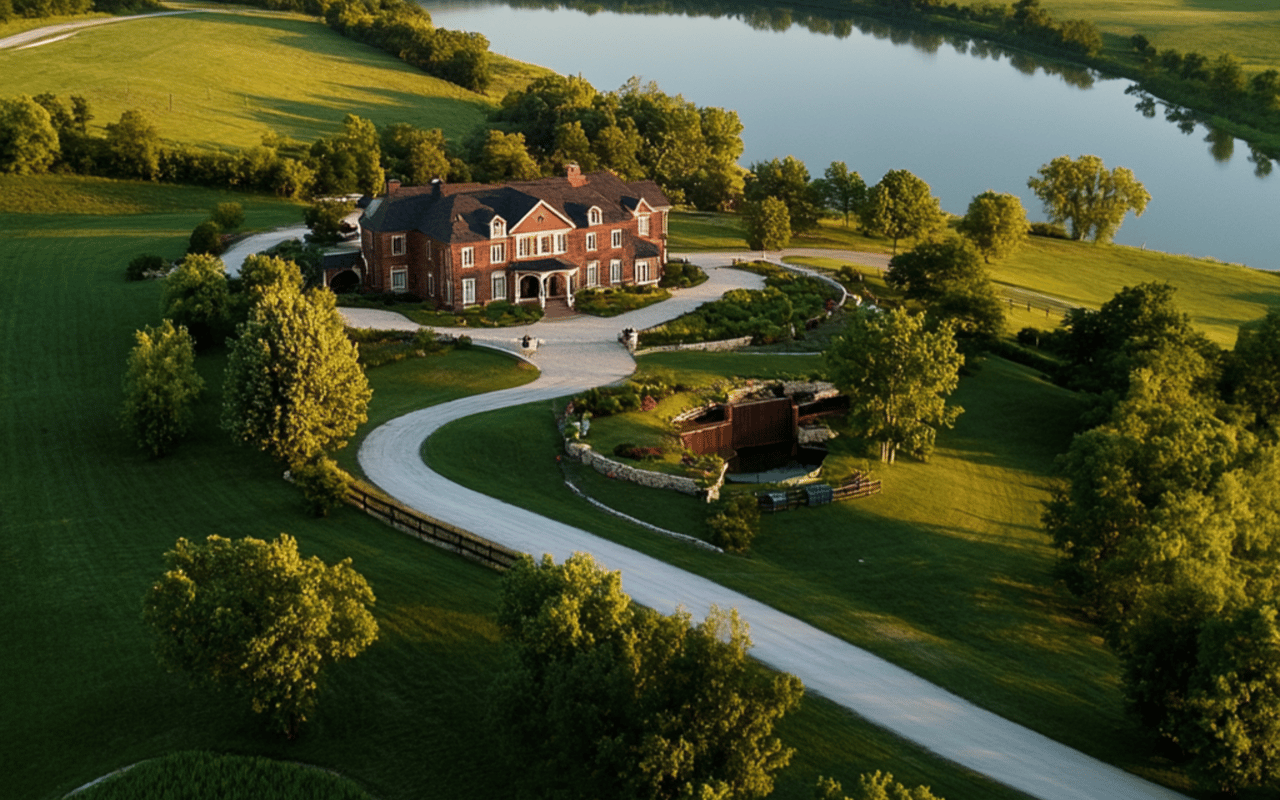
Founded in 1912 by Charles Newning and General William Harwood Stacy and sons.
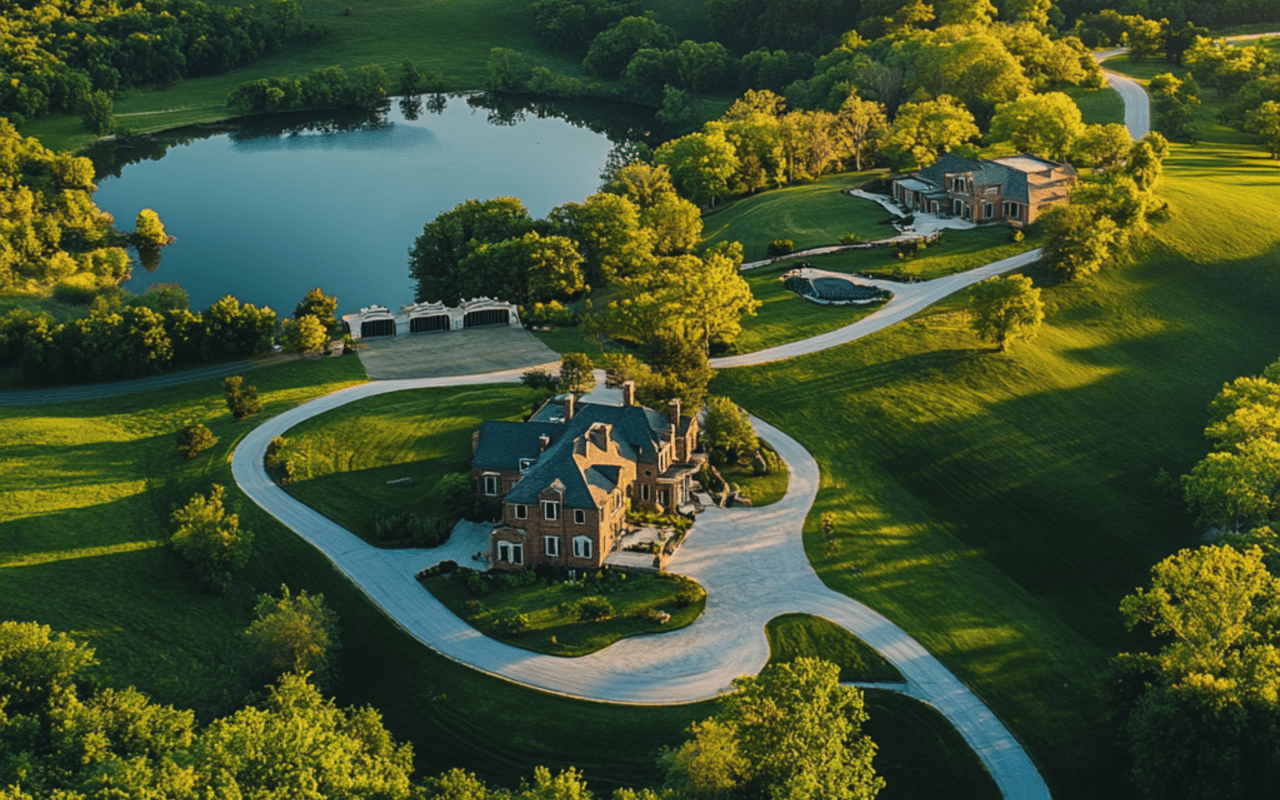
The Domain was built in three phases, with its first phase completed in 2007.
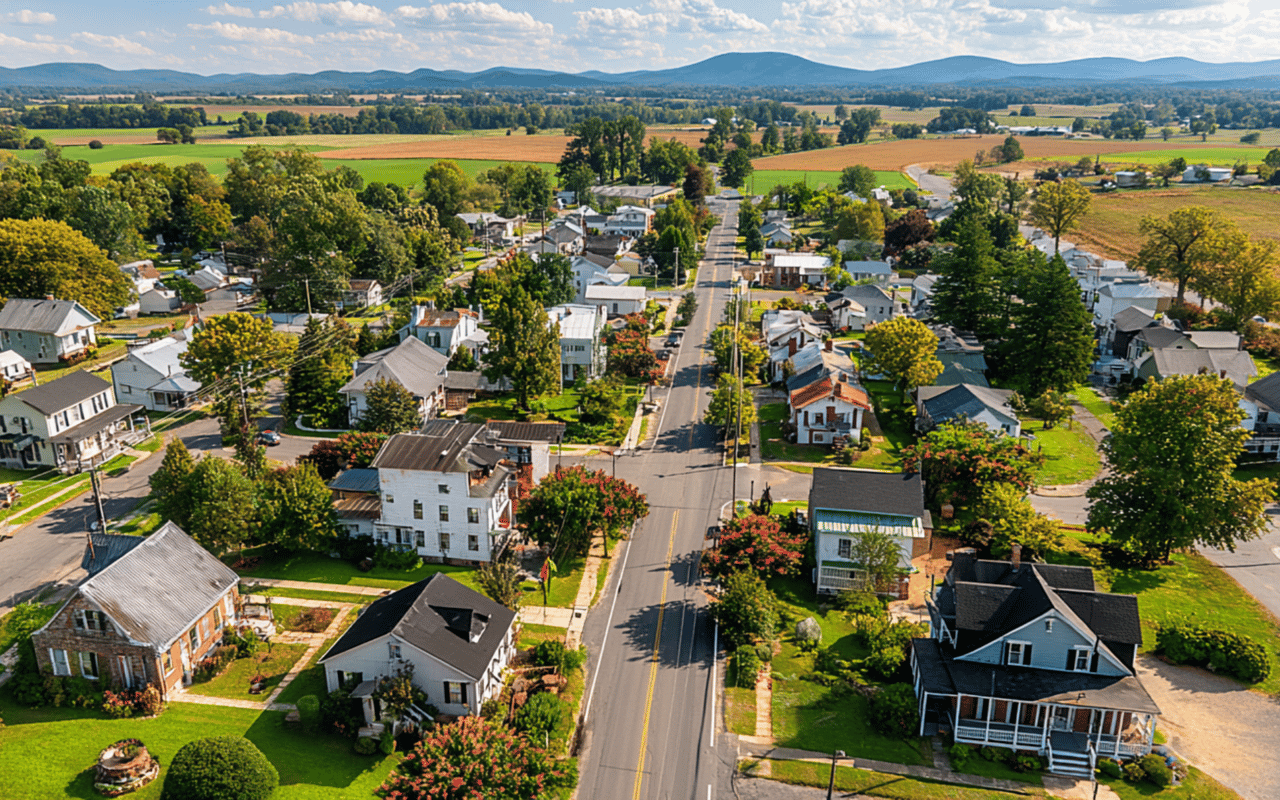
There are a variety of homes in Steiner Ranch, including smaller garden homes.
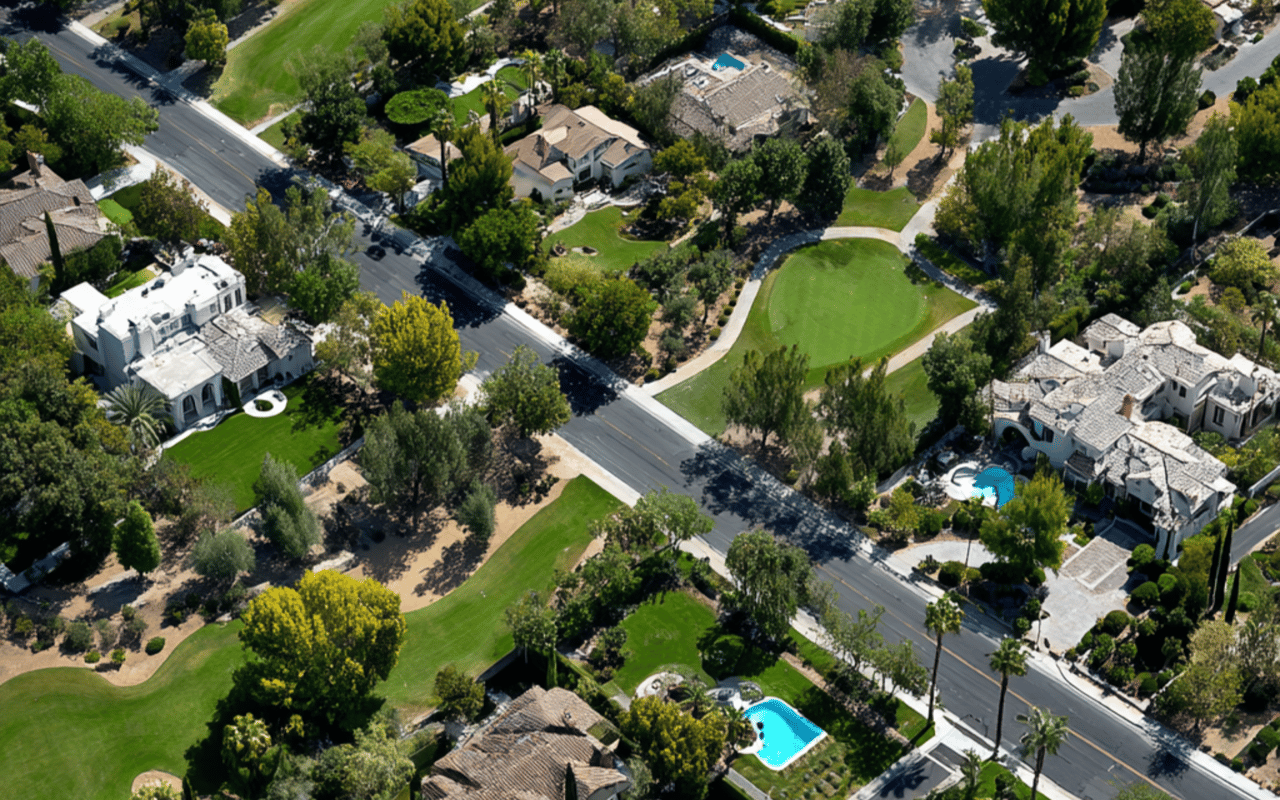
Texas legend Willie Nelson is just one of many well-known musicians.

A popular, trendy area in Austin is called SoCo, an abbreviation for South Congress.
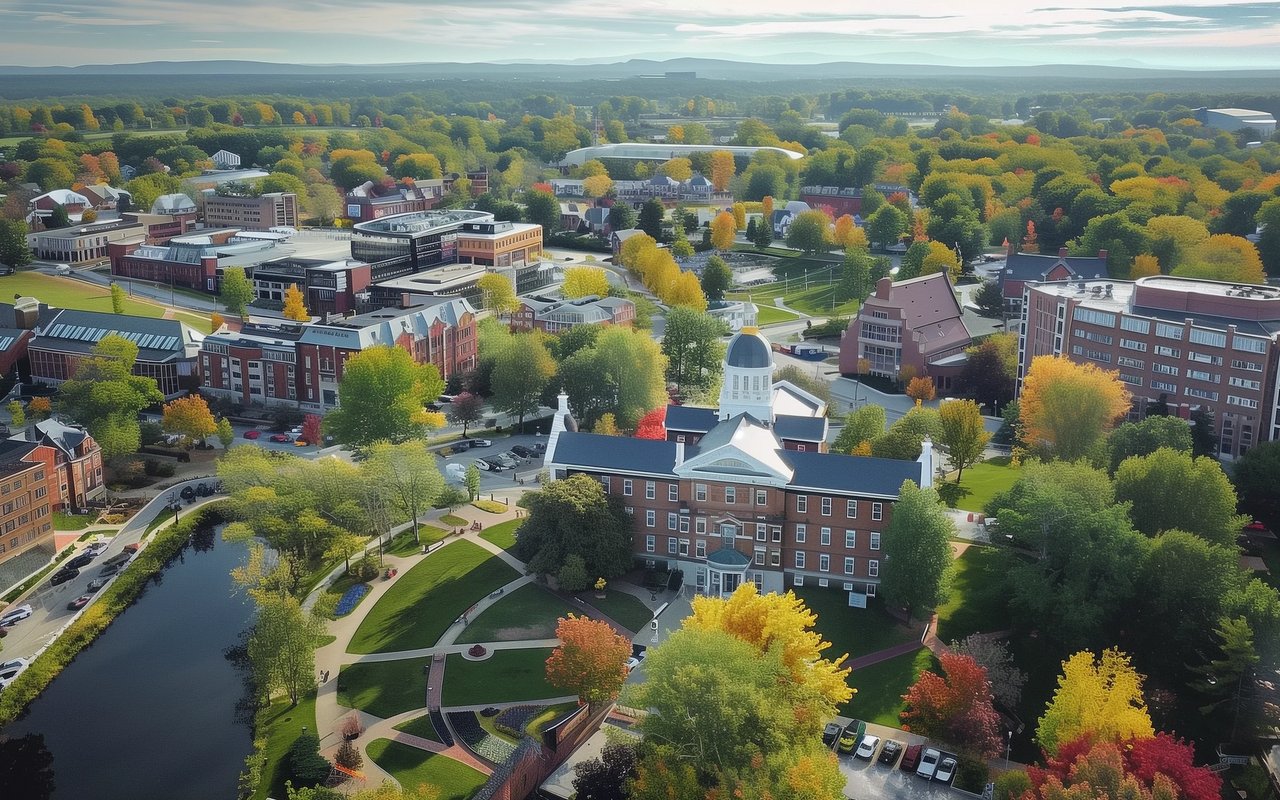
Located in southwest Austin is an established area called Shady Hollow.
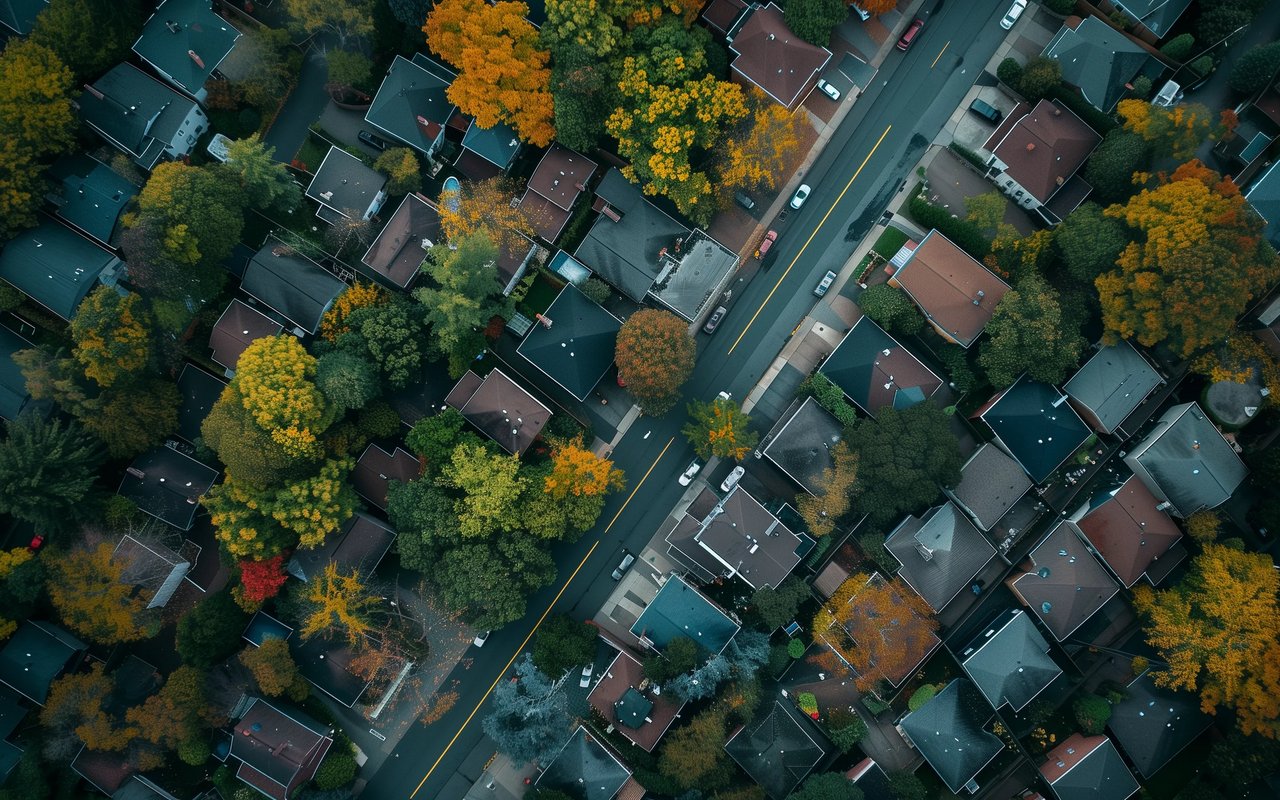
It continued to develop over the years and offers homes in three different sections.

Rosewood has a lot to offer in the way of small businesses and Austin nightlife.
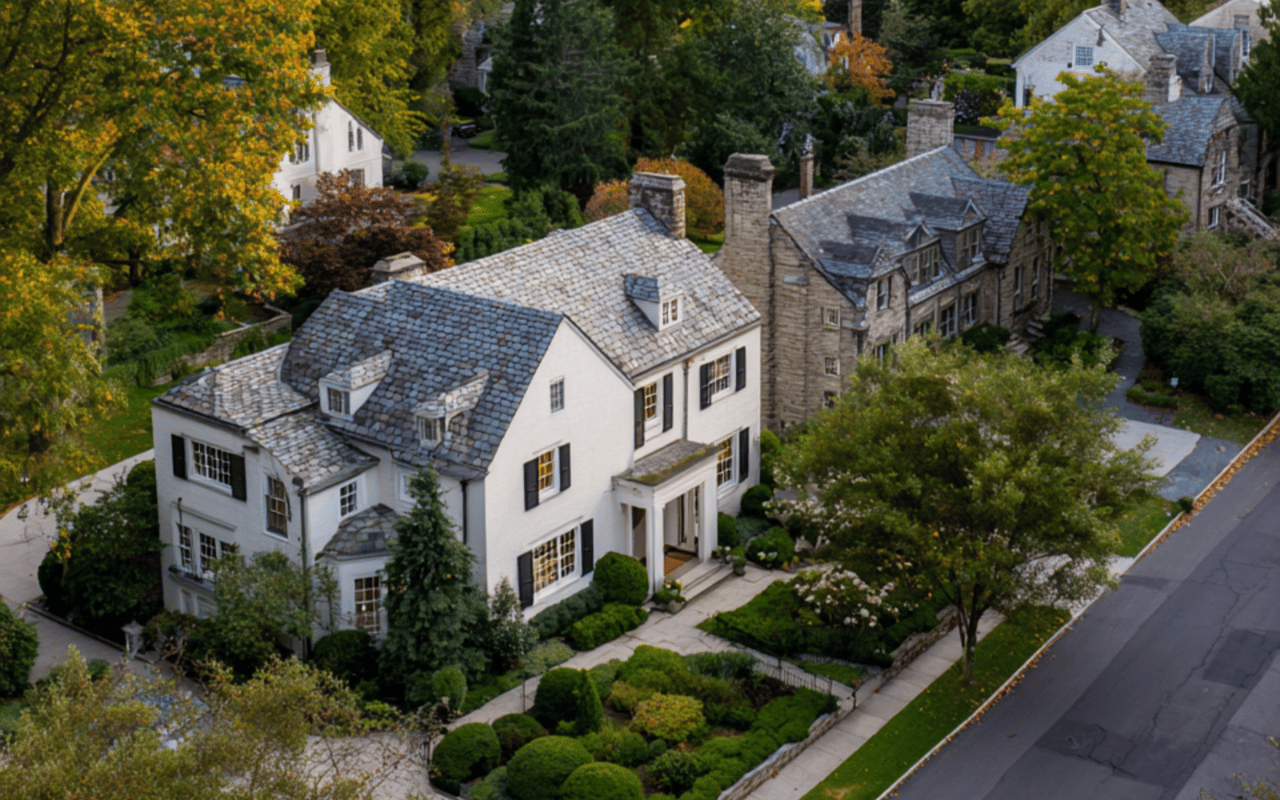
River Place is naturally landscaped area featuring Lake Austin and Hill Country views.
Contact us today for a free consultation to discuss your real estate goals, explore your options, and get answers to your questions. There’s no obligation, no pressure, and absolutely no catch, just helpful guidance to get you started.

Best Of Austin Living Team
1801 S MoPac Expy Ste 100 Austin, TX 78746