University Hills
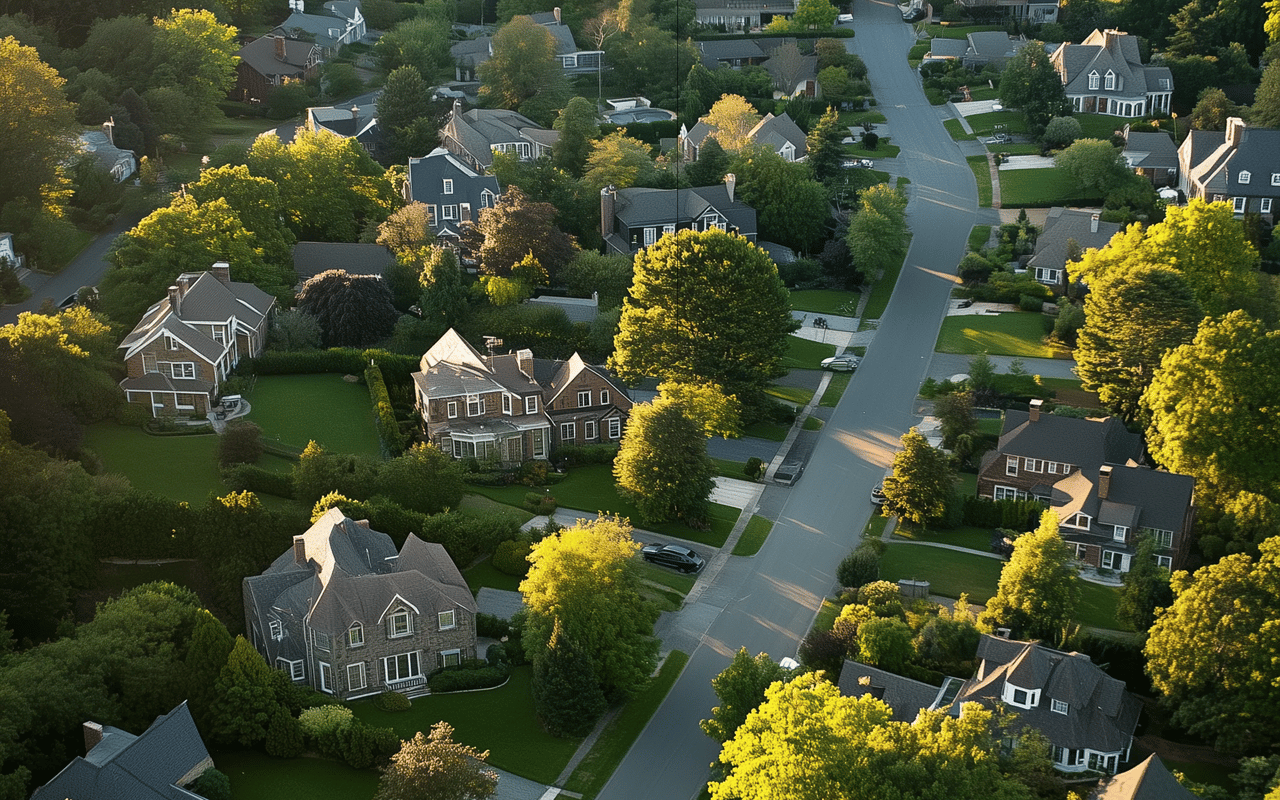
University Hills is an established neighborhood in East Austin developed in the 1960s and 1970s.
University Hills is an established neighborhood in East Austin developed in the 1960s and 1970s.
University Hills is an established neighborhood in East Austin developed in the 1960s and 1970s. Located on what once was farm and ranch land before I-35 existed, the hilly streets contain mostly modest ranch-style homes around 1,500 square feet. There are also plenty of homes in the 2,000-3,000 square foot range. Many of the higher-priced houses in this area have undergone renovations creating a mix of traditional and modern styles. Regardless of home size, many houses rest on large lots, sometimes as much as 2 to 3 acres. A tight-knit community exists in University Hills where residents work to maintain and improve the area with the assistance of an active neighborhood association.
University Hills is nestled between Highway 290 and 183 near Northeast Drive and Little Walnut Creek. With easy access to I-35, this revitalized neighborhood provides multiple routes to all parts of Austin. For those who enjoy being outdoors, University Hills offers many nearby parks including Walter E. Long Park and Dottie Jordan Park which features a pool, playground, basketball and tennis courts, trails, and picnic areas. Other park areas include Bartholomew District Park, Davis White Northeast District Park, and the Little Walnut Creek Greenbelt.
Shopping in University Hills has been made easier with the construction of the nearby Mueller Regional Retail Center just off I-35 and 51st Street, and a few popular dining options include Hoover’s Cooking, Kerbey Lane Café, and Little Deli.
Children in University Hills are served by Austin Independent School District in one of a few elementary schools including Winn, Andrews, and Pecan Springs, Kealing Middle School, and LBJ High School.
4,731 people live in University Hills, where the median age is 38 and the average individual income is $61,835. Data provided by the U.S. Census Bureau.
Total Population
Median Age
Population Density Population Density This is the number of people per square mile in a neighborhood.
Average individual Income
There's plenty to do around University Hills, including shopping, dining, nightlife, parks, and more. Data provided by Walk Score and Yelp.
Explore popular things to do in the area, including Stop and Save, Mike's Mini Mart, and Ross Dress for Less.
| Name | Category | Distance | Reviews |
Ratings by
Yelp
|
|---|---|---|---|---|
| Dining | 0.28 miles | 0 reviews | 0/5 stars | |
| Dining | 0.49 miles | 1 review | 1/5 stars | |
| Shopping | 0.4 miles | 1 review | 5/5 stars | |
| Beauty | 0.37 miles | 2 reviews | 5/5 stars | |
|
|
||||
|
|
||||
|
|
||||
|
|
||||
|
|
||||
|
|
University Hills has 1,945 households, with an average household size of 2. Data provided by the U.S. Census Bureau. Here’s what the people living in University Hills do for work — and how long it takes them to get there. Data provided by the U.S. Census Bureau. 4,731 people call University Hills home. The population density is 4,300 and the largest age group is Data provided by the U.S. Census Bureau.
Total Population
Population Density Population Density This is the number of people per square mile in a neighborhood.
Median Age
Men vs Women
Population by Age Group
0-9 Years
10-17 Years
18-24 Years
25-64 Years
65-74 Years
75+ Years
Education Level
Total Households
Average Household Size
Average individual Income
Households with Children
With Children:
Without Children:
Marital Status
Blue vs White Collar Workers
Blue Collar:
White Collar:
Contact us today for a free consultation to discuss your real estate goals, explore your options, and get answers to your questions. There’s no obligation, no pressure, and absolutely no catch, just helpful guidance to get you started.
Best Of Austin Living Team
1801 S MoPac Expy Ste 100 Austin, TX 78746




